Specialist Services
Smart Home Energy Management
Monitor, control, and optimise every watt in your home. From solar panels and battery storage to EV charging and intelligent heating - take full command of your energy usage through smart automation.
What Is Smart Energy Management?
Energy costs in the UK have risen dramatically in recent years, and homeowners are rightly looking for smarter ways to take back control. A professionally integrated home energy management system goes far beyond switching off lights when you leave a room. It connects your solar panels, battery storage, EV charger, heating system, and every appliance in your home into a single intelligent network - one that makes real-time decisions to reduce waste, lower bills, and maximise the energy you generate yourself.
Unlike standalone smart meters or basic monitoring apps, a fully integrated energy management system built on platforms like Loxone or KNX actively controls how energy flows through your property. It knows when your solar panels are generating a surplus and can automatically divert that power to heat your water, charge your electric car, or store it in a home battery for use after dark. Every decision happens without you lifting a finger - and you can see it all unfolding in real time from a single app.
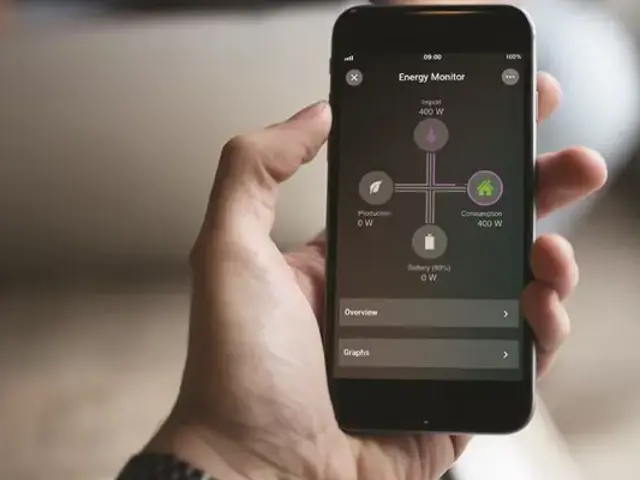
Real-Time Energy Monitoring
See exactly how much energy your home is generating, consuming, and exporting at any given moment. Historical data helps you spot trends and make informed decisions about your energy use over time.
Solar Self-Consumption
Automatically route surplus solar energy to high-demand tasks like water heating, EV charging, or battery storage - rather than exporting it to the grid at a fraction of the cost.
Reduced Carbon Footprint
By prioritising renewable energy and eliminating unnecessary consumption, a smart home naturally becomes a greener home. Intelligent automation helps you live sustainably without compromising comfort.
Lower Energy Bills
Smart scheduling, tariff-aware automation, and efficient load management work together to reduce what you pay each month. Many homeowners see meaningful savings from the first billing cycle.
Solar Panel Monitoring & Control
If you've invested in solar panels, you already know the value of generating your own electricity. But without smart monitoring and control, a surprising amount of that energy ends up being exported to the grid - earning you far less than it would cost to buy back from your supplier. A smart energy management system changes this completely by giving you full visibility of your solar generation and intelligently managing where that energy goes.
Through integration with your solar inverter, your smart home system can track exactly how much power your panels are producing in real time. When generation exceeds your household demand, the system automatically activates high-energy loads to use that surplus rather than export it. Your immersion heater switches on to store free hot water, your heating system pre-warms rooms ahead of schedule, or your EV charger begins topping up your car - all without any manual input from you.
Your energy dashboard provides a clear breakdown of generation versus consumption, self-consumption ratio, and export volumes. Over time, this data helps you understand seasonal performance patterns and identify the most cost-effective times to run energy-intensive appliances. For homeowners with solar PV, smart control is the single most effective way to maximise your return on investment.
Battery Storage Integration
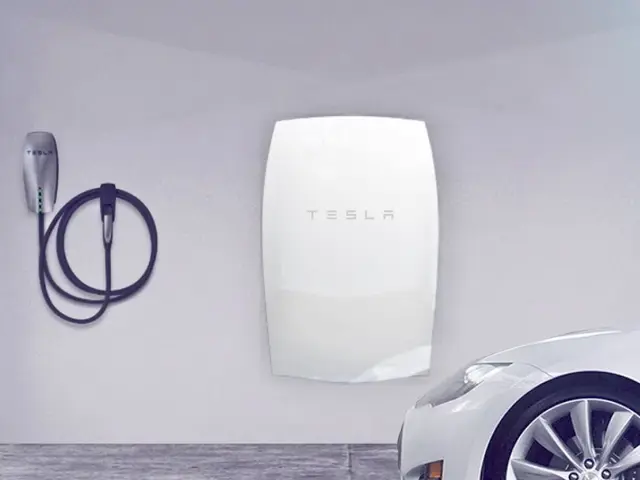
Home battery systems such as Tesla Powerwall, GivEnergy, and Enphase have made it possible to store the energy your solar panels generate during the day and use it in the evening when your household demand typically peaks. A smart home system takes this a step further by intelligently managing when your battery charges and discharges to achieve the best possible outcome for your wallet and your energy independence.
Rather than following a simple timer, your smart home analyses solar generation forecasts, your household consumption patterns, and your energy tariff rates to decide the optimal strategy. On a sunny day when generation is high and the battery is already full, the system might prioritise EV charging or hot water heating. On a cloudy day, it might hold the battery charge in reserve for the expensive evening peak rather than depleting it during the afternoon.
For homeowners on time-of-use tariffs like Octopus Agile, this level of intelligent control can be transformative. Your smart home system can charge the battery from the grid during the cheapest overnight periods and discharge it during peak-rate hours - effectively arbitraging your energy costs without you needing to think about it at all.
EV Charging Control
The UK's transition to electric vehicles is well underway, and for most EV owners, the majority of charging happens at home. Smart EV charging ensures your car is always ready when you need it, while drawing power in the most cost-effective and energy-efficient way possible. Rather than plugging in and drawing full power immediately, a smart home system manages the entire process intelligently.
Solar-surplus charging is one of the most popular features among our clients. When your solar panels are generating more electricity than your home requires, the excess is automatically diverted to your EV charger. Over the course of a sunny day, you can add significant range to your vehicle using energy that would otherwise have been exported to the grid. For homeowners with large solar arrays, it's entirely possible to cover a substantial portion of your annual driving miles with free, self-generated electricity.
Off-peak tariff scheduling is equally valuable, particularly during the winter months when solar generation is lower. Your smart home system knows your electricity tariff structure and will automatically delay charging until the cheapest rate period begins - typically overnight. It also handles load balancing, ensuring your EV charger doesn't overload your mains supply when other high-draw appliances are running simultaneously. You can monitor and control the entire process remotely through your Loxone or KNX app, setting departure times and minimum charge levels so your car is always ready for the morning commute.
A typical UK household with solar panels, battery storage, and an EV can reduce their annual energy costs by 50–70% compared to a home relying entirely on grid electricity - and a smart energy management system is the key to achieving those savings consistently.
Whole-Home Energy Optimisation
Smart energy management isn't limited to solar panels and batteries. Every connected system in your home plays a role in reducing energy consumption, from automated lighting that dims or switches off when rooms are unoccupied, to motorised blinds that manage solar heat gain throughout the day.
Your smart heating system is one of the biggest contributors to energy savings. Multi-zone temperature control ensures you only heat the rooms you're actually using, and intelligent scheduling adapts to your daily routine and even the weather forecast. Geofencing detects when the last person leaves the property and automatically lowers heating to an energy-saving setpoint, then pre-warms the house in time for your return.
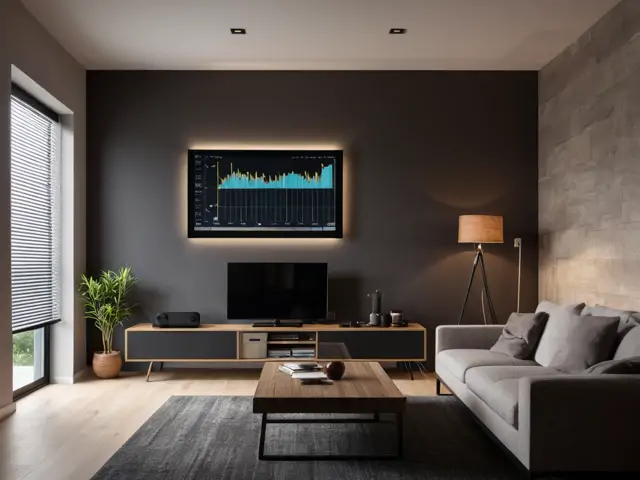
All of this activity is visible through a real-time energy dashboard on your phone, tablet, or wall-mounted touch panel. You can see exactly which systems are consuming energy at any given moment, set usage alerts, and activate whole-house energy-saving modes with a single tap. Over time, the data reveals opportunities to further reduce consumption - perhaps identifying a room that's being heated unnecessarily, or an appliance that's consuming more power than it should.
How Smart Energy Management Works
A truly intelligent home energy management system connects every energy source and every energy consumer in your property into a unified network. Here's how the key components work together to optimise your energy usage around the clock.
Monitor & Measure
Smart energy meters and current clamps measure real-time electricity generation from solar panels and consumption across your entire property. This data feeds into your smart home system continuously, providing the intelligence it needs to make optimal decisions every second of the day.
Analyse & Decide
Your smart home controller - whether it's a Loxone Miniserver or a KNX system - analyses generation, consumption, battery state, tariff rates, and your household schedule. It determines the most cost-effective and energy-efficient action to take in any given moment.
Automate & Optimise
Based on its analysis, the system automatically directs energy where it delivers the most value - charging your battery, heating your water, powering your EV, or pre-warming your home. No manual intervention is required, although you always have full control through your app.
Report & Refine
Detailed historical reports show your energy performance over days, weeks, and months. Self-consumption ratios, export volumes, cost savings, and carbon reduction data help you understand the full impact of your smart energy system and identify further opportunities for improvement.
Compatible Systems & Platforms
We design and install energy management solutions using the UK's most trusted smart home platforms. Each system offers powerful energy monitoring and control capabilities, and the right choice depends on your property, your existing infrastructure, and your goals.
Loxone Energy Management
Loxone's Miniserver provides built-in energy monitoring with dedicated energy management blocks in its configuration software. It integrates directly with popular solar inverters and EV chargers, offering automated self-consumption, tariff-based scheduling, and comprehensive dashboards - all without reliance on cloud services or monthly subscriptions.
KNX Energy Solutions
KNX, as an open standard, offers unmatched flexibility when it comes to energy management. With compatible energy meters from manufacturers like ABB, Schneider, and Hager, a KNX system can monitor individual circuits and integrate with virtually any solar inverter, battery system, or EV charger on the market. It's a particularly strong choice for larger or more complex properties.
Control4 & Lutron
Control4 and Lutron both contribute to energy management through intelligent lighting and shading control. Automated daylight harvesting, occupancy-based switching, and scene-based energy modes all reduce consumption. These systems work alongside dedicated energy platforms to deliver a complete whole-home solution.
Common Questions
Frequently Asked Questions
Do I need solar panels for smart energy management?
Not at all. While solar panels unlock some of the most powerful energy management features — like automated self-consumption and surplus routing — a smart home system still delivers significant benefits without them. Intelligent heating control, occupancy-based lighting, tariff-aware EV charging, and real-time consumption monitoring all help reduce your bills regardless of whether you generate your own electricity. Many clients start with smart energy monitoring and add solar later.
Can I add energy management to an existing smart home system?
Yes. Energy management can be added to most existing Loxone and KNX installations. If you already have a smart home system and have recently installed solar panels, a battery, or an EV charger, we can integrate these into your existing setup. The process typically involves adding energy monitoring hardware and updating your system's programming to include the new automation logic.
Which solar inverters are compatible with Loxone and KNX?
Both Loxone and KNX support a wide range of solar inverters through industry-standard communication protocols such as Modbus and SunSpec. Popular brands including Fronius, SolarEdge, SMA, GoodWe, and Huawei can all be integrated. During your consultation, we'll confirm compatibility with your specific hardware and recommend the best approach for your installation.
How much can I save with smart energy management?
Savings vary depending on your property, energy tariff, and which renewable technologies you have installed. Homeowners with solar panels and battery storage typically see the greatest impact, with many reducing grid electricity purchases by 50–70%. Even without renewables, intelligent heating control and occupancy-based automation can deliver annual savings of 15–25% on heating and lighting costs. We can provide a tailored estimate during your free consultation.
Does smart energy management work with time-of-use tariffs?
Absolutely. Smart home systems like Loxone can be programmed to respond to time-of-use tariffs such as Octopus Agile or Economy 7. The system automatically schedules energy-intensive tasks - battery charging, EV charging, water heating - during the cheapest rate periods. For homeowners on variable tariffs, this tariff-aware scheduling is one of the quickest ways to see a return on your smart home investment.